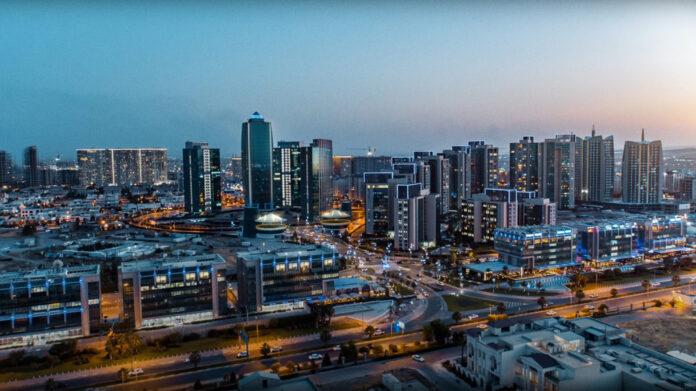
The Kurdistan Regional Government has invested more than 5.3 trillion Iraqi dinars, or about $4 billion, in major road and infrastructure projects across the Region.
The program aims to modernize transport networks, reduce traffic congestion and improve connections between cities and towns. It also supports trade, industry, tourism and wider economic activity.
According to official KRG data, the government has completed 1,271 service and engineering projects. These projects include the construction and paving of around 5,940 kilometers of roads.
Outside major cities, authorities completed 810 inter-city projects covering 3,055 kilometers. These works included new roads as well as rehabilitation of existing routes.
Inside urban areas, the KRG completed more than 2,248 road and bridge projects. Officials say these projects have improved traffic movement and strengthened urban infrastructure.
The government is also implementing another 227 strategic projects. Together, they cover about 2,239 kilometers of roads.
Road safety forms another major part of the campaign. Teams completed 2,723 kilometers of road markings and installed 19,342 traffic signs. They also added 62 kilometers of guardrails and built 59 pedestrian overpasses.
The infrastructure program extends beyond roads and bridges. Authorities have carried out projects to improve drinking water systems, sewage networks and other public services across provinces and independent administrations.
Major overpasses, bridges and upgraded roads have helped reduce congestion in urban centers. They have also improved access between residential, commercial and industrial areas.
The government expects the expanded transport network to support tourism and make the movement of goods easier across the Kurdistan Region.
KRG officials say the broader infrastructure campaign will strengthen regional connectivity, improve daily services and create a stronger foundation for long-term economic development.
Officials say the investment also creates jobs, improves access to essential services and prepares growing cities for future population, transport and development needs across the Region.