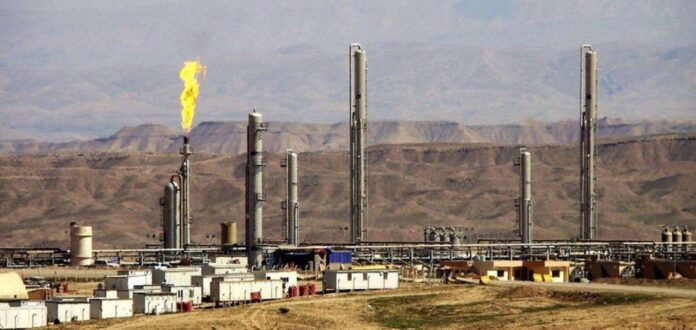
Oil production in the Kurdistan Region has fallen from 230,000 barrels per day to only 20,000 because of regional tensions and attacks on oil fields, according to Iraq’s State Organization for Marketing of Oil, known as SOMO.
SOMO Director Ali Nizar discussed the decline during a television interview. He focused on production, exports and the impact of the closure of the Strait of Hormuz on Iraq’s access to global markets.
Nizar said the conflict and repeated attacks on fields in the Kurdistan Region caused a dramatic drop in output. He added that Iraqi exports through the Ceyhan pipeline had also fallen to about 60,000 barrels per day.
Foreign oil companies operating in the Region have nevertheless expressed readiness to restore production to maximum capacity once security conditions improve.
Nizar said coordination between Iraq and Turkey had helped keep exports moving through the Ceyhan route. The pipeline can carry up to 1.5 million barrels per day.
Iraq can also blend Basra crude with Kirkuk oil and move the combined volume north through the same system. SOMO supports continued sales to Turkey because the route remains relatively cheap. Transport, operation, storage and maintenance cost about $1.62 per barrel.
Nizar also said petroleum product exports through Syria had reached one million tonnes per day. He claimed that revenue from this route now exceeds levels recorded before the Strait of Hormuz closed.
The average selling price of Iraqi oil reached about $60 per barrel last month.
He suggested that Kuwait could use Iraq’s pipeline network to reach Turkey’s Ceyhan port as an alternative to Hormuz.
The closure of the Strait has pushed regional exporters to seek new routes. As a result, Iraqi and Syrian pipelines have gained greater strategic importance. They now offer crucial options for protecting exports and maintaining regional revenues.