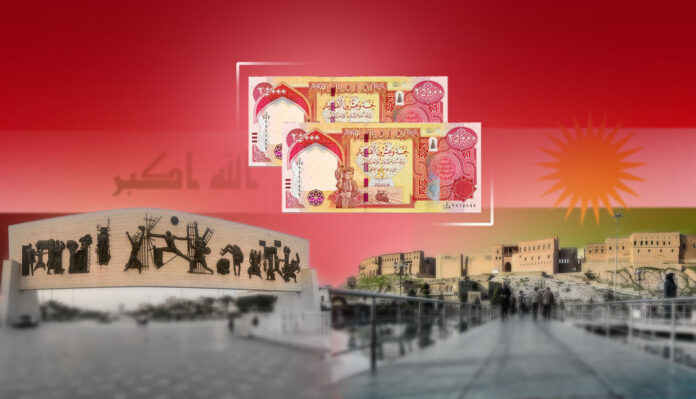
The Iraqi dinar strengthened against the US dollar over the past two days, improving its position in the local currency market. The exchange rate for $100 has fallen to below 153,000 Iraqi dinars, reflecting stronger demand for the local currency.
Market observers say the improvement comes as political and economic developments continue to influence investor confidence. Currency traders have closely monitored recent events that could affect Iraq’s financial outlook.
One factor attracting attention is the visit of Iraqi official Ali al-Zaidi to the United States. Local reports have also circulated about a possible $60 billion agreement between Iraq and the United States. However, officials have not confirmed the timing or details of any such deal.
Economic expert and market analyst said these reports have supported confidence in the Iraqi dinar. However, they warned that several uncertainties continue to affect the market.
According to the analyst, Ali al-Zaidi has not yet returned directly to Iraq. Instead, he has continued regional visits to Qatar, Iran, and Türkiye. This has fueled speculation about ongoing diplomatic and economic discussions.
Regional security concerns also continue to pressure Iraq’s economy. The disruption of shipping through the Strait of Hormuz has reduced oil export activity and raised concerns about future government revenues.
The situation has also affected Iraq’s oil trade with neighboring countries. Following the Strait of Hormuz crisis, Iraqi oil shipments to Syria have faced additional challenges. Authorities reportedly discovered prohibited weapons on several tankers believed to be traveling from Iraq.
As a result, officials introduced stricter inspections for oil tankers. Market reports also suggest that some oil exports to Syria could face temporary delays while authorities complete security checks.
Security concerns have extended to Iraq’s southern ports as well. At the Port of Al-Faw in Basra, many cargo vessels temporarily suspended loading operations because of the risk of drone attacks. These disruptions have slowed commercial activity and increased uncertainty in the transport sector.
Despite these challenges, the Iraqi dinar strengthened against the US dollar, supported by positive market sentiment and expectations of stronger economic cooperation with international partners.
Financial analysts believe future exchange rate movements will depend on political developments, oil export performance, and regional security conditions. Investors continue monitoring these factors as they assess Iraq’s economic outlook.