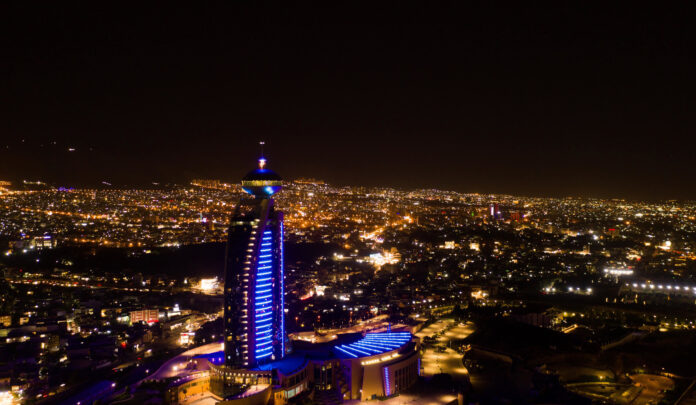
The dynamics of Iraq’s real estate sector show sharp regional contrasts, with the housing market in Erbil leading in growth while Duhok experiences significant stagnation.
Erbil’s housing sector has seen notable upward momentum since early 2025. Land values have surged, particularly in areas like Hasarok 8, where prices have increased from 250 to as much as 350 sheets. Real estate professionals attribute this growth not only to post-New Year demand but also to infrastructure developments such as the Erbil water emergency project, which has stimulated interest in previously less desirable plots.
In contrast, Duhok’s market remains subdued. Several neighborhoods report minimal transactions, sometimes with no sales recorded in a month. Local agents cite the economic pull of Mosul—where prices have risen since the city’s stabilization—as a factor redirecting demand. Furthermore, although the government reduced property tax rates from 3% to 1%, an increase in land registration fees and rising land value assessments have negated the intended relief for buyers and sellers.
Meanwhile, the markets in Sulaimani and Halabja exhibit cautious optimism. With approximately 100 ongoing housing projects in Sulaimani, industry insiders anticipate a rise in demand due to political stabilization and increased liquidity among public sector employees. Halabja, despite its predominantly horizontal development pattern, is expected to benefit from major construction initiatives and governance support.
Elsewhere, Kirkuk is experiencing consistent price growth, particularly in commercially designated areas. Market segmentation shows variable pricing trends across its zones, with Shoraw emerging as a rapidly developing area despite starting from a lower price point.
Baghdad and Mosul, however, face unique regulatory challenges. A central bank directive now mandates all property transactions exceeding 100 million dinars to be processed through the banking system, which has reportedly dampened market activity.
Overall, regional disparities in economic conditions, policy measures, and infrastructure projects continue to shape the trajectory of Iraq’s housing markets.