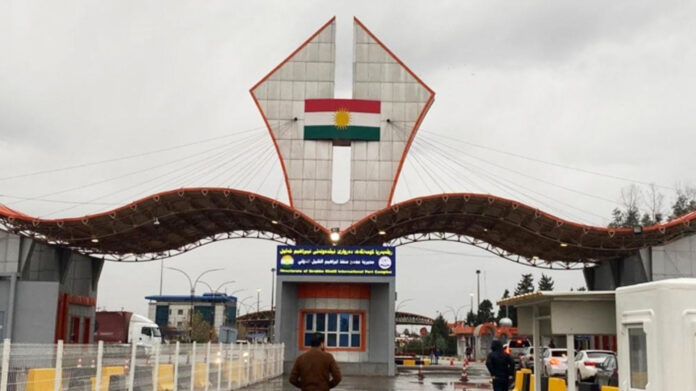
The ongoing conflict continues to disrupt markets in the region. Chicken prices in Erbil have increased, while poultry farmers report falling profits and rising losses.
Before the conflict, chicken prices stayed relatively low. One kilogram costs about 2,400 Iraqi dinars. Today, farm-level prices have climbed to around 2,750 dinars. Retail prices rise even further. In local markets, chicken often reaches 3,000 dinars per kilogram or more, depending on location and transport costs.
Zryan Mustafa says feed and fuel costs drive the price increases. He explains that farmers used to import feed and fuel at stable and affordable rates. However, the war has disrupted supply chains and increased transportation costs. Import delays also add further pressure on producers.
The wider regional conflict involving the United States, Israel, and Iran has intensified these challenges. It has raised production costs and created uncertainty in supply routes. Some poultry farms have already stopped production because they cannot cover operating expenses. Others continue working but with very low or no profit margins.
Although the Kurdistan Region produces more chicken than local demand—around 250,000 tons—prices remain high. High production costs prevent any meaningful price reduction in the market. Farmers say they are trapped between rising input costs and weak selling prices.
Hoshyar Yaqoob also highlights the financial pressure on producers. He says farmers now sell chicken below production cost in some cases just to keep the business running.
The market remains unstable. Producers warn that prices will stay high unless feed and fuel costs fall and supply routes stabilize.