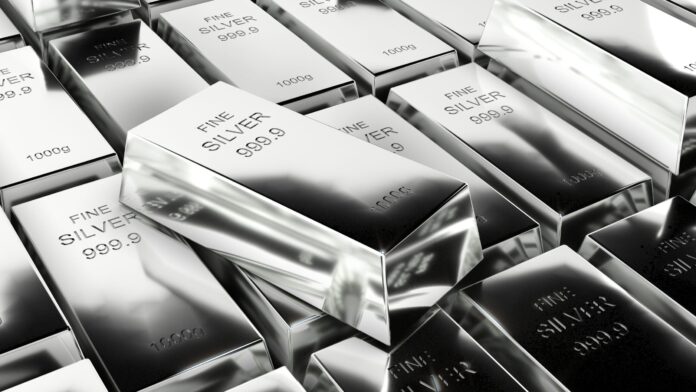
One ounce of gold is currently trading at around 4,670 dollars after extending its decline for a second consecutive day. The precious metal has come under pressure as global economic and political factors continue to shape investor sentiment.
Markets remain focused on ongoing tensions between Iran and the United States. So far, negotiations have not produced any agreement to ease the conflict. U.S. President Donald Trump has also expressed dissatisfaction with Iran’s latest proposal, adding further uncertainty to the situation.
At the same time, oil prices remain elevated in global markets. Higher energy costs are contributing to inflationary pressure and indirectly weighing on gold prices. Despite this, some analysts believe inflation risks could still provide long-term support for the metal.
Investors are also closely watching the upcoming U.S. Federal Reserve meeting. The central bank is expected to announce its decision tomorrow after a two-day policy meeting. Most expectations suggest that interest rates will remain unchanged, a move that may have a limited direct impact on gold.
Edward Meyr, an analyst at the consultancy firm Marex, said geopolitical developments continue to dominate the gold market. He explained that global headlines remain the strongest driver of price movement at the moment.
Meyr added that if the United States and Iran reach a diplomatic agreement, the U.S. dollar could weaken. In such a scenario, gold prices would likely rise as investors shift toward safe-haven assets.
Overall market volatility has increased in recent weeks due to tensions in the Middle East and shifting interest rate expectations. Investors are responding more to political uncertainty than to traditional monetary policy signals.
Analysts remain divided on the short-term outlook for gold. However, most agree that continued geopolitical risk will keep prices supported in the near future, even as fluctuations are expected to continue.