Japan is shifting its relationship with the Kurdistan Region from post-conflict aid to long-term economic development. Moreover, Ambassador Akira Endo said the focus now lies on private investment and major public infrastructure projects. “Our relationship is excellent,” he said. “In 2025, we are prioritizing economic development. Kurdistan’s future rests with its young people, and infrastructure is the foundation.”
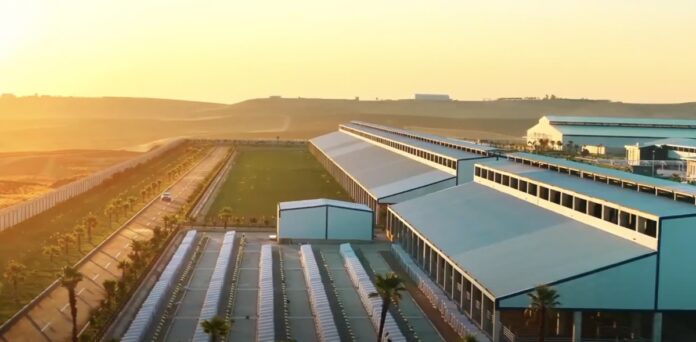
Toyota Iraq recently opened its largest pre-delivery inspection (PDI) center in Duhok, along with a new facility in Baghdad, expanding its national network to five hubs. Consequently, the Duhok center can process 10,000–15,000 vehicles per year. It conducts quality checks, minor repairs, and dispatches cars to dealers across Iraq.
“This is the biggest PDI center in Iraq,” Endo said. “Its location near the Turkish border is strategic because it serves as a main supply route.” In addition, KRG Prime Minister Masrour Barzani presided over the opening and emphasized the project’s importance in making Duhok a central hub for Japanese cars entering Iraq.
Endo also highlighted that the project focuses on skills transfer as much as logistics. “Workers will learn Japanese inspection, maintenance, and customer service methods. Therefore, this know-how will benefit Kurdistan and Iraq for years,” he said. He also noted that local teams in Duhok work in a disciplined and diligent manner, reflecting Japanese work culture. At the same time, Sumitomo Corporation is collaborating closely with Toyota Iraq on the private-sector side.
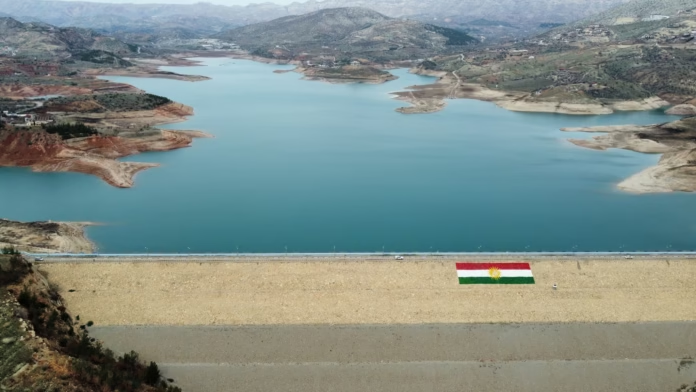
In addition to private investment, Japan invests in core infrastructure through yen-denominated loans. For example, recent projects include the $186 million Deralok hydropower plant and the $288 million first phase of Erbil’s wastewater network overhaul. Phase 1, led by ITOCHU Corporation in partnership with Turkish contractors and Kurdish engineers, treats sewage, recycles part of the water for agriculture, and safely releases the rest. Moreover, a second financing package is under discussion.
Endo described Japan’s approach as disciplined, phased, and needs-driven. “We work closely with the federal government and the KRG to deliver projects on time and to standard,” he said. In addition, he emphasized that these projects support climate resilience and public health.
Japan has committed $760,000 to modernize the Sulaymaniyah Museum. The funding improves conservation, display standards, and visitor experience, with input from Japanese archaeological teams. Endo added, “It’s a small project, but it enhances quality and protects cultural heritage.”
From Toyota’s logistics hub to utilities and cultural projects, Endo sees Japan’s partnership with Kurdistan as pragmatic and long-term. Consequently, he said, “With the right projects and skills, we can steadily improve living standards while respecting quality.”