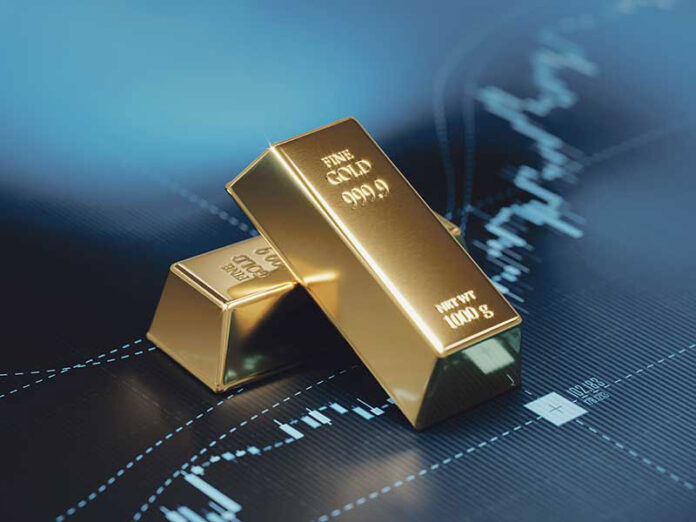
Gold prices continued their upward trend on Monday, with one ounce trading close to $4,500. The precious metal extended earlier gains despite short-term fluctuations in global markets. Analysts say strong demand and investor activity have supported the recent rise in prices.
At the start of trading in Asian markets, gold prices dropped to around $4,411 per ounce. However, this decline did not last long. Within hours, prices rebounded and resumed an upward direction as traders returned to the market. This quick recovery highlighted the strong support levels near the $4,400 range.
Market observers linked the initial drop in gold prices to a sharp increase in oil prices. Brent crude rose significantly and reached about $115 per barrel as markets opened. Rising oil prices often influence inflation expectations, which can temporarily affect gold’s performance.
Despite this pressure, gold regained momentum later in the day. Traders took advantage of lower price levels to increase their purchases. Many investors viewed the dip toward $4,400 as a buying opportunity, which helped push prices higher again.
Experts say the recent rise in oil prices could lead to higher inflation. In many cases, inflation reduces the appeal of holding cash and increases demand for assets like gold. As a result, gold often recovers after short-term declines caused by shifts in other markets.
Today’s price movement reflects strong market confidence in gold as a safe-haven asset. Investors continue to monitor global economic developments, including energy prices and geopolitical tensions, which play a key role in shaping demand.
If current conditions continue, analysts expect gold to remain near its recent highs. Ongoing demand from traders and long-term investors may keep prices stable or push them even higher in the coming days.