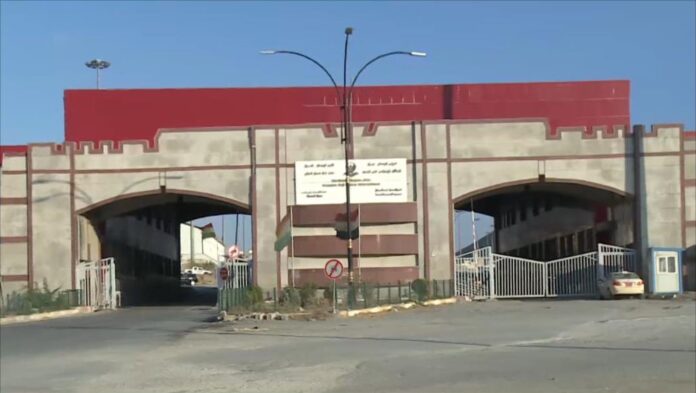
The Import and Export Union announced late Wednesday night that the Parviz Khan Border Crossing has reopened for commercial activity. The reopening allows cargo trucks to move again between Iran and the Kurdistan Region. Officials confirmed that around 200 trucks entered the Kurdistan Region through this crossing shortly after operations resumed.
The reopening of Parviz Khan follows the earlier restoration of trade at the Shushme Border Crossing and the Sayranban Border Crossing. Authorities had closed several crossings in recent weeks due to regional tensions and security concerns. During that period, only the Bashmakh Border Crossing remained open for trade.
Despite the temporary closures, commercial activity continued through Bashmakh. According to the Import and Export Union, nearly 600 trucks crossed through Bashmakh on Wednesday alone. Some of these vehicles transported goods directly to the Kurdistan Region, while others carried transit cargo destined for different markets.
Officials explained that many transit trucks arrived from countries such as Tajikistan, Armenia, and other states in the Caucasus region. These shipments carried a variety of goods. Most of the cargo consisted of food products, including rice and other basic commodities commonly supplied to local markets.
Trade authorities believe the reopening of Parviz Khan will help restore normal commercial flows across the border. The crossing plays a significant role in regional trade and helps supply markets in the Kurdistan Region with imported goods.
Officials also expect the Haji Omeran Border Crossing to reopen in the near future. Preparations are currently underway to restore full operations there.
The Kurdistan Region shares four official border crossings with Iran: Haji Omeran, Bashmakh, Parviz Khan, and Shushme. In addition, three unofficial crossings—Kele, Tawela, and Pshta—also facilitate smaller cross-border trade activities in the region.