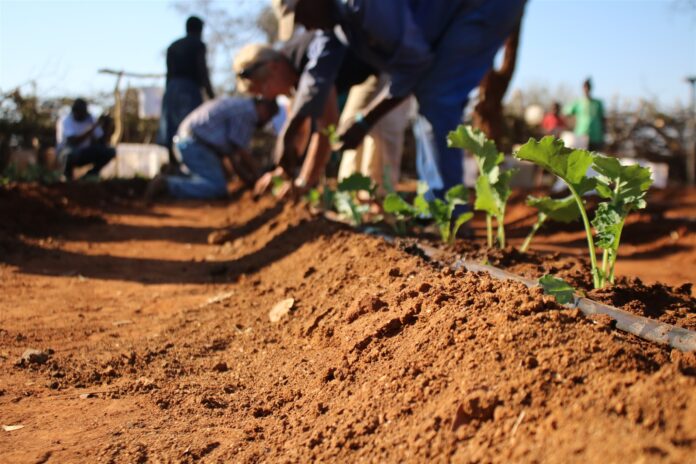
The potato import ban in Duhok has become a decisive step to safeguard local farmers. Officials in the province confirmed that potato imports to Duhok, Akre, and Bardarash are now prohibited. The decision came after forecasts indicated strong potato production this year.
According to Ahmad Jamil, Director of Agriculture in Duhok, the import restriction supports local producers. He stressed that domestic harvest levels are enough to meet regional demand. However, the director also warned about continued smuggling, which has created obstacles for the sector.
Smuggling of potatoes into Kurdistan remains a problem. Some traders reportedly import potatoes from Iran through the Parwizkhan border. These shipments reach Garmian markets and Kalar warehouses. Local farmers believe this undercuts domestic supply. They argue that such practices damage both production levels and profit margins. Farmers therefore demand strict enforcement of the potato import ban in Duhok.
Jamil emphasized that authorities support local growers in selling their crops directly to markets. He added that Duhok sends large amounts of potatoes to central and southern Iraq. The remainder is stored in cold warehouses for later use. Officials estimate that 127 cold storage facilities in the province hold more than 500,000 tons.
The pricing gap between local and imported potatoes has also pressured farmers. Imported potatoes often sell for 500 to 750 dinars per kilogram. In contrast, local potatoes sometimes drop to only 250 or 300 dinars. This wide difference makes it harder for local growers to compete fairly.
The Agriculture Department earlier confirmed that farmers planted 48,000 dunams with potatoes this year. They expect production to reach about 600,000 tons. This amount exceeds Kurdistan Region’s annual need of 100,000 tons. Thus, the surplus production will supply other Iraqi markets and remain in storage for future seasons.
In conclusion, the potato import ban in Duhok represents an effort to balance supply and demand while shielding farmers from unfair competition. If enforcement continues, domestic growers may secure greater stability and ensure long-term sustainability in the agricultural sector.