The Iraqi dinar fell moderately against the U.S. dollar today. Experts attribute the decline to U.S. pressure on Iraq’s armed groups and ongoing market uncertainties.
For several days, the dinar has steadily weakened as investors and traders reacted to political developments. Analysts say that U.S. efforts to limit the role of armed factions in Iraq’s new government are a key factor behind the drop.
Qeifi Khushnaw, a currency market analyst in Erbil, said:
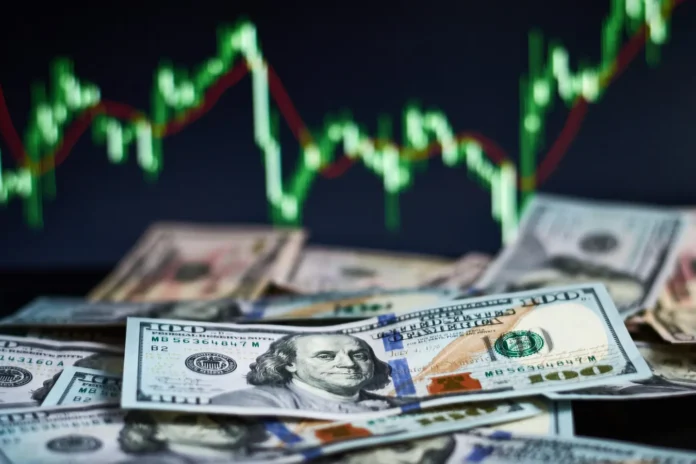
“With the market opening, $100 USD was traded at 151,500 dinars. Now, it is exchanged at 151,000 dinars. Analysts predict the Iraqi dinar may lose more value if uncertainties continue.”
Khushnaw also discussed the difference between white and blue dollar rates. He explained, “Most white dollars were previously transferred to Turkey. Currently, only a small amount remains in the local market. The gap between white and blue dollar rates sometimes ranges from 600 to 1,000 dinars. Over time, this difference tends to disappear as market liquidity improves.”
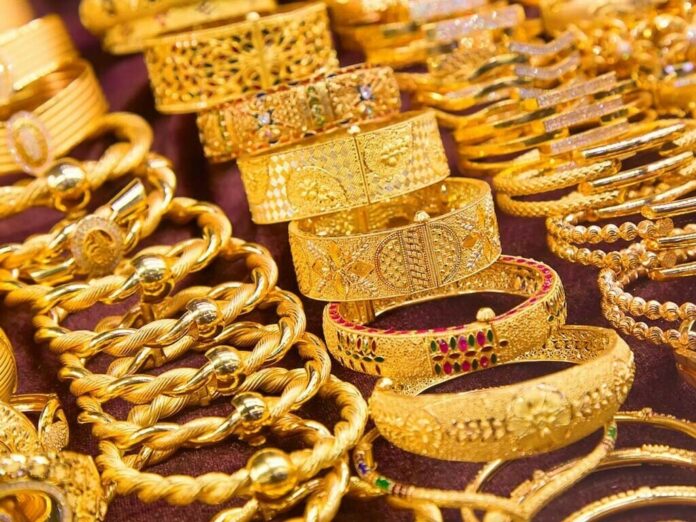
Economic experts highlight several causes for the Iraqi dinar’s decline. Rising gold prices in dinars encourage citizens to buy gold instead of holding currency. U.S. political pressure on armed groups has created uncertainty in local markets. In addition, government efforts to reduce the participation of these groups in the new administration add to market instability.
The moderate decline of the Iraqi dinar reflects both local market trends and international political pressures. Traders in Erbil continue to monitor the situation closely. Until political and economic stability improves, the U.S. dollar is expected to remain strong against the Iraqi dinar.
Experts recommend that investors remain cautious, diversify assets, and follow currency market updates to manage risk. Analysts say the Iraqi dinar may recover if market confidence and political clarity return.