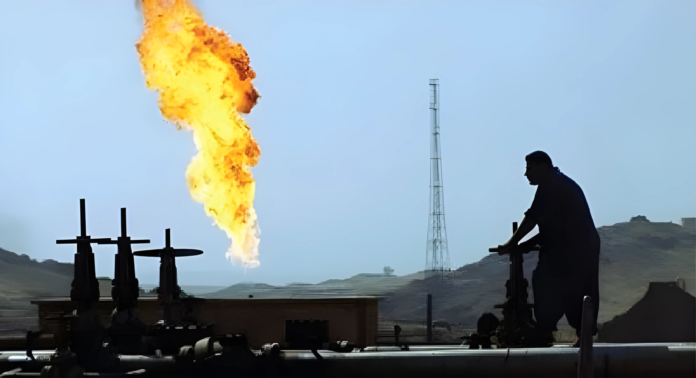
The recent plunge in oil prices to a four-year low has raised significant concerns for oil-dependent economies such as Iraq, where oil revenue constitutes a major portion of the national budget. On Wednesday, Brent crude dropped to $58 per barrel, while Texas light sweet crude fell even further to $5. This decline has been attributed to the imposition of reverse tariffs by U.S. President Donald Trump, which were introduced on Wednesday morning but retracted later that evening due to severe market reactions.
Following the U.S. tariff reversal, oil prices rebounded slightly, with Brent crude rising to $66 per barrel and Texas light sweet crude to $63 at the close of the trading session. However, these gains were short-lived, as prices fell again on Thursday after Asian markets opened, with Brent trading at $65.10 and Texas crude at $62.40.
This sharp drop in oil prices poses a serious risk to Iraq’s fiscal health. Iraqi oil, which typically sells at a discount to Brent crude—$5 less for Iraqi light crude and $7 less for Basra heavy oil—is now facing a substantial revenue shortfall. A $1 decrease in oil prices equates to a daily loss of $3.5 million, which adds up to $1.26 billion annually for the Iraqi government.
Iraq’s 2025 national budget was based on an oil price forecast of $70 per barrel, meaning that with current oil prices hovering around $65 for Brent, Iraqi oil is being sold at approximately $60. This $10 per barrel shortfall could lead to a significant budget deficit of approximately $12.6 billion annually, or 16.4 trillion Iraqi dinars.
The decline in oil prices is partly due to the U.S.-China trade war, but also to a decision by OPEC+ members to increase production by 411,000 barrels per day starting in May. Goldman Sachs, a global investment bank, has revised its oil price forecast for the remainder of the year. The bank now expects Brent to trade at $62 and Texas crude at $58 by year-end. By 2026, these prices may fall further, with Brent predicted to drop to $55 per barrel.
If these projections materialize, Iraq’s oil revenue could decrease by up to $20 per barrel, further exacerbating the budget deficit to $25.2 billion—nearly 33 trillion dinars. According to energy expert Robin Mills, the current U.S. tariff policy has contributed to market volatility, and oil prices may continue to fall until OPEC+ producers take action to reduce supply.