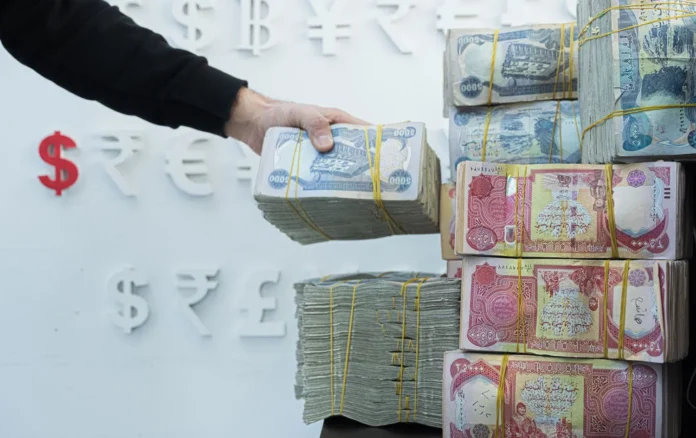
The expected restart of oil exports from the Kurdistan Region is likely to reduce fuel prices in local markets. Industry officials believe consumers could begin seeing lower gasoline prices as early as next week, although the decline will happen gradually rather than immediately.
Jangi Majid, head of the Erbil Fuel Station Owners Association, said resuming oil production and exports will increase fuel supplies across the region. As a result, gasoline prices should fall over time instead of dropping in a single day.
Moreover, Majid said liquefied petroleum gas (LPG) prices have already declined. A liter of gas now sells for 395 Iraqi dinars at fuel stations. He added that current market conditions do not indicate any risk of another price increase.
Meanwhile, a source at the Erbil fuel market said premium gasoline traded at 1,170 dinars per liter. However, retail stations sold the same fuel to consumers for between 1,190 and 1,195 dinars per liter. Prices vary depending on the quality of the fuel.
In contrast, fuel prices recently increased in Sulaymaniyah. Since last Thursday, commercial gasoline has risen by 50 dinars per liter. Previously, motorists paid 1,000 dinars per liter. Today, the same fuel costs 1,050 dinars.
Salam Omar, spokesperson for the Sulaymaniyah Directorate of Oil and Minerals, said higher fuel prices in other governorates eventually affected the local market. Consequently, commercial gasoline prices increased by 50 dinars. However, government-subsidized gasoline remains unchanged and continues to sell at the official price.
Officials remain optimistic that the restart of oil company operations will improve fuel supplies and restore market stability. Furthermore, they expect gasoline prices to return to normal levels in the coming weeks.
The anticipated price decline would ease transportation costs for households and businesses while supporting broader economic activity across the Kurdistan Region.