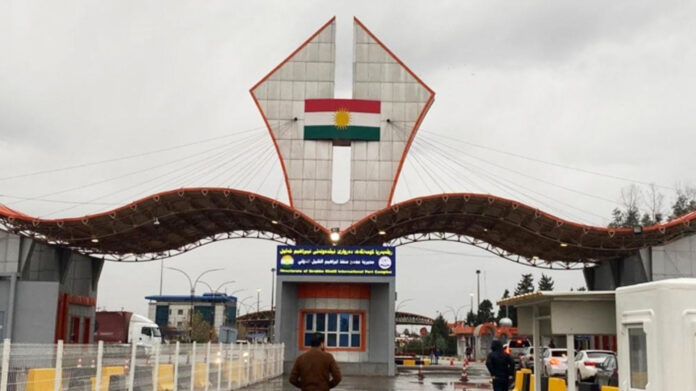
Trade routes between the Kurdistan Region and Iran will soon return to normal operations. The Kurdistan Region Import and Export Union announced that several border crossings will reopen after temporary disruptions caused by regional tensions.
Additionally, officials said the closures followed instability involving Iran, the United States, and Israel. During the disruption, only the Bashmakh Border Crossing remained open for trade activities.
According to the union, border operations have already started to recover. The Shushme Border Crossing reopened on March 8, 2026. One day later, authorities reopened the Sayranban Border Crossing on the evening of March 9. These steps mark the beginning of a wider reopening plan along the Kurdistan–Iran border.
Trade officials reported that the Bashmakh Border Crossing currently handles around 500 trucks of cargo each day. This number continues to rise as trade activity increases. Most shipments arriving from Iran include food products and consumer goods that are widely sold in local markets.
Imported goods include vegetables, fruits, dairy products, soft drinks, juices, chocolates, and biscuits. Traders also bring other consumer items that regularly enter the region through established commercial routes.
The union also confirmed that two additional crossings will reopen soon. These include the Haji Omeran Border Crossing and the Parvez Khan Border Crossing. Authorities expect both crossings to resume operations within the coming days.
Officials said the reopening process reflects coordination between regional authorities and border management teams. These crossings play an important role in transporting perishable goods and essential daily products. Maintaining these supply routes helps stabilize markets across the Kurdistan Region.
Trade officials stressed that the reopening process follows safety and logistical measures. Authorities want to ensure smooth transportation and secure working conditions for customs and border staff.
The union noted that Iranian imports remain a key part of regional trade. Many shipments consist of agricultural products and packaged foods that have long been part of cross-border commerce.
During the temporary closures, traders relied mainly on the Bashmakh crossing. This situation created logistical pressure on transport companies and customs services. The reopening of multiple crossings will reduce delays and improve the movement of goods.
Officials say the return of full border operations will strengthen supply chains. It will also support economic activity and help markets maintain steady access to essential goods across the Kurdistan Region.