The Kurdistan Region launched its first Internet Governance Forum and introduced a bold vision for the future. The event marked a turning point for the Region’s digital ambitions. The Kurdistan digital roadmap took center stage as Minister of Transport and Communications Ano Jawhar addressed the audience on behalf of the Prime Minister. He called the gathering a “new chapter” and pushed for openness, innovation, and strong cybersecurity.
Additionally, Minister Jawhar spoke to diplomats, Consul Generals, UN representatives, and leaders from civil society and industry. He stressed the importance of the moment. Jawhar said the Kurdistan Region now contributes to global digital discussions instead of watching from the sidelines. He pointed to the involvement of the United Nations IGF Secretariat in Geneva as proof of this progress.
Therefore, he explained how Kurdish officials took major steps over the last year. They joined the global IGF in Riyadh in 2024 and connected with international leaders. He also confirmed the Region’s plan to join next year’s IGF in Norway. That event will focus on AI governance, digital rights, and sustainable development. These themes now guide the Region’s domestic digital policies.
Furthermore, the Minister introduced four pillars that anchor IGF Kurdistan. First, the platform strengthens the voice of Kurdish youth and institutions in global decision-making. Second, it promotes innovation and supports a growing digital economy. Third, it ensures inclusive development by expanding digital access to women, youth, rural areas, and vulnerable groups. Finally, it protects digital rights and pushes for resilience, transparency, and alignment with UN values.
Moreover, Jawhar also addressed security threats. He said the Region deals with missile attacks, drones, and cyber operations that target infrastructure. Jawhar argued that digital transformation offers a necessary response. He connected security, technology, and economic stability in one framework.
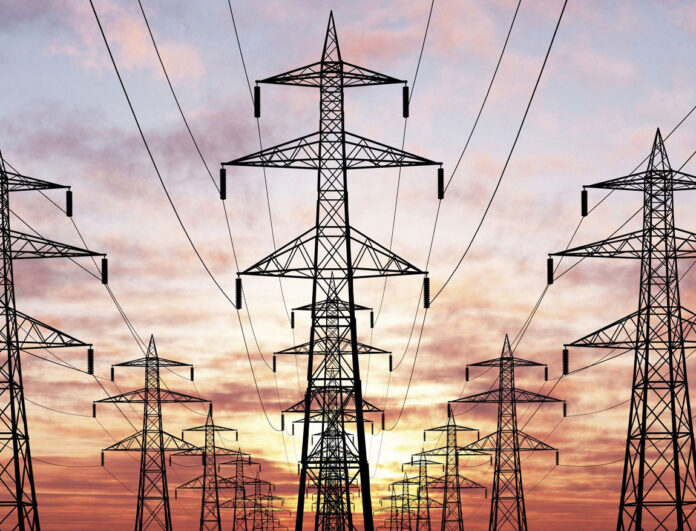
Furthermore, Jawhar listed several national projects as proof of ongoing progress. He mentioned the Ronaki electricity program, the expansion of fiber networks, and the digitization of government services. These efforts form important parts of the Kurdistan digital roadmap, which aims to build efficiency and trust.
Therefore, the Minister shared details of a new “Family Internet Package.” He described it as a protective tool that shields children from harmful online content. He also introduced a parental-control application that will help families guide younger users safely.
Furthermore, he said a secure and open internet empowers women and girls and strengthens Kurdistan’s cultural diversity. He highlighted the Region’s youthful population and its growing interest in digital skills. He encouraged private sector investment and framed youth empowerment as the engine for innovation.
Jawhar called for multi-stakeholder cooperation and urged the Federal Government and the global community to work together. He said no single actor can guide the digital world alone. Jawhar promised that Kurdistan will support global standards and act as a digital bridge between Iraq, the Middle East, and the world.
He closed by thanking the young organizers of IGF Kurdistan and praised them as the “architects” of the Region’s future. With this vision, the Kurdistan digital roadmap moves forward with confidence and strong ambition.