Kurdistan moves through a major economic shift as the KRG agricultural investment plan drives farming toward full industrial growth. The government now treats agriculture as a key strategic sector. Moreover, it links farms and factories through large processing projects. This shift gives farmers new income, new opportunities, and stronger market protection.
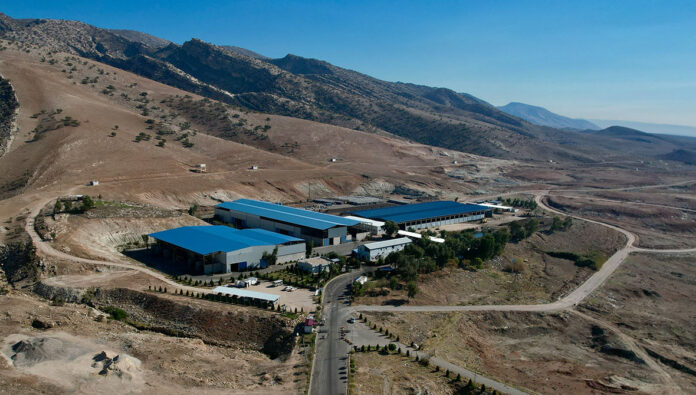
The transformation starts in Duhok. The region’s first yellow corn drying factory works at growing capacity. It opened four years ago and now supports farmers across several governorates. The factory collects corn at subsidized prices. Therefore, farmers gain stability and avoid losses. The owner, Amanj Niyazi, said they collect up to 23,000 tons of corn each year. He added that most crops arrive from Erbil plains. This scale shows how fast the KRG agricultural investment plan improves cooperation across the region.
Currently, the processed corn supports animal feed production. However, Niyazi confirmed that corn can support other industries. He noted its value in medicine and other sectors. The factory grows in three stages, and teams already finished the first stage. They now prepare to activate full capacity soon. This step strengthens local industry and expands the agricultural value chain.
Additionally, the government invests heavily in new factories. It supports potato processing lines, tomato facilities, and olive oil production centers. A new cheese factory also moves toward completion. All these projects show how the KRG agricultural investment plan shifts farming from simple production to full industrial activity.
Hiwa Ali, an advisor at the Ministry of Agriculture, said investment in agricultural processing reached 10 percent in recent years. He explained that the Ninth Cabinet solved many long-standing farmer concerns. Farmers now sell produce faster. They also avoid spoilage because new factories process goods immediately.
Furthermore, the KRG plans 3,000 greenhouses and 312 refrigerated storage facilities. These projects support year-round agriculture. New silos and updated logistics systems also help stabilize prices. Through these steps, the KRG agricultural investment plan strengthens both supply chains and food security.
At the same time, Kurdistan opens new channels to global markets. Erbil just hosted the 2025 International Agro-Industry and Packaging Expo. More than 352 companies from 20 countries joined the event. The exhibition displayed machinery, packaging systems, grain technologies, and processed food products. Organizers said the expo aims to increase Kurdistan’s economic visibility. Notably, 62 local companies presented goods produced inside the Region. Their products now reach new buyers and new export markets.
This global showcase supports the KRG agricultural investment plan by connecting local producers with global partners. It also accelerates technology transfer. Many companies now explore joint ventures in the Kurdistan Region. These partnerships help improve local seed quality, irrigation systems, storage capacity, and overall yield.
Kurdistan continues to move from a consumer economy to a producer economy. The government invests in long-term agricultural stability. The private sector expands modern processing lines. Farmers gain more reliable markets. Ultimately, the Region builds an integrated industrial farming system through the KRG agricultural investment plan.