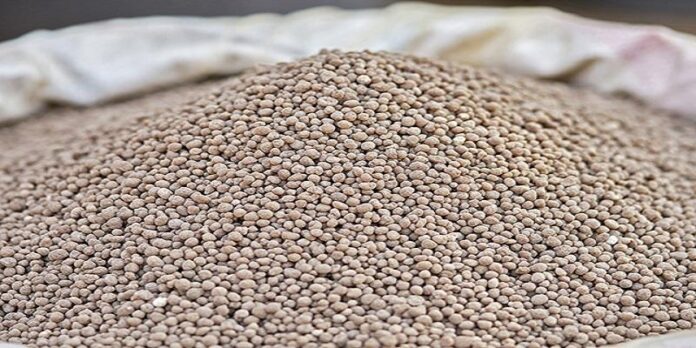
Wheat farmers in the Kurdistan Region are still waiting for full payment for their 2025 harvest. Nasreen Ahmed, director of silos in Sulaymaniyah province, said the region delivered 157,600 tons of wheat this year, down from 287,700 tons last year. “We received only 31 billion dinars ($23.6 million), while over 91 billion dinars ($69.4 million) remain unpaid,” she said. Farmers rely on these payments to manage costs and sustain their livelihoods.
The federal government bought about 400,000 tons of wheat from the four Kurdistan provinces. Sulaymaniyah and Halabja contributed 158,000 tons, Erbil supplied 122,000 tons, and Duhok delivered nearly 118,000 tons. The government set the purchase price at 850,000 dinars per ton ($649), totaling more than 300 billion dinars ($229 million). So far, Baghdad has sent only 72.5 billion dinars ($55.3 million) in two installments.
Ahmed said delays are due to a nationwide shortage of funds. “Other provinces in central and southern Iraq also experienced payment delays this year,” she explained. The issue has left many farmers uncertain about their financial situation.
Kurdish authorities are working with the Iraqi Ministry of Trade and the General Company for Grain Trading to speed up payments. The Ministry recently requested a breakdown of farmers’ wheat deliveries into 1–50 tons and 50–500 tons. Officials submitted the requested data and hope Baghdad will release the remaining funds promptly after the upcoming elections.
Timely payments are crucial to maintain agricultural stability and the wheat supply chain. Delays affect farmers’ income and risk disrupting local food production. Authorities remain cautiously optimistic that Baghdad will disburse the remaining funds soon, ensuring fair compensation for farmers and supporting Iraq’s food security.